
make simple changes
Feel better
Being physically active is a simple way to feel better, and it can make a bigger difference than you might think.
Sticking to a regular, balanced routine helps prevent and ease pain, supports your body’s systems, and improves overall wellness. For example, five minutes of light to moderate activity every half hour lowers blood pressure and promotes healthy blood sugar regulation.
That’s because being physically active benefits your whole body—every part.
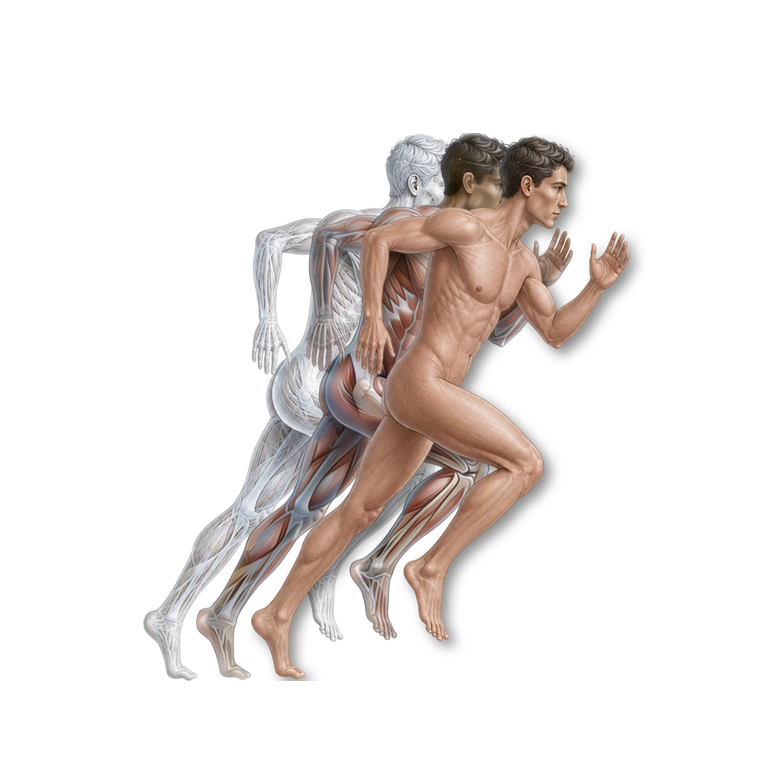
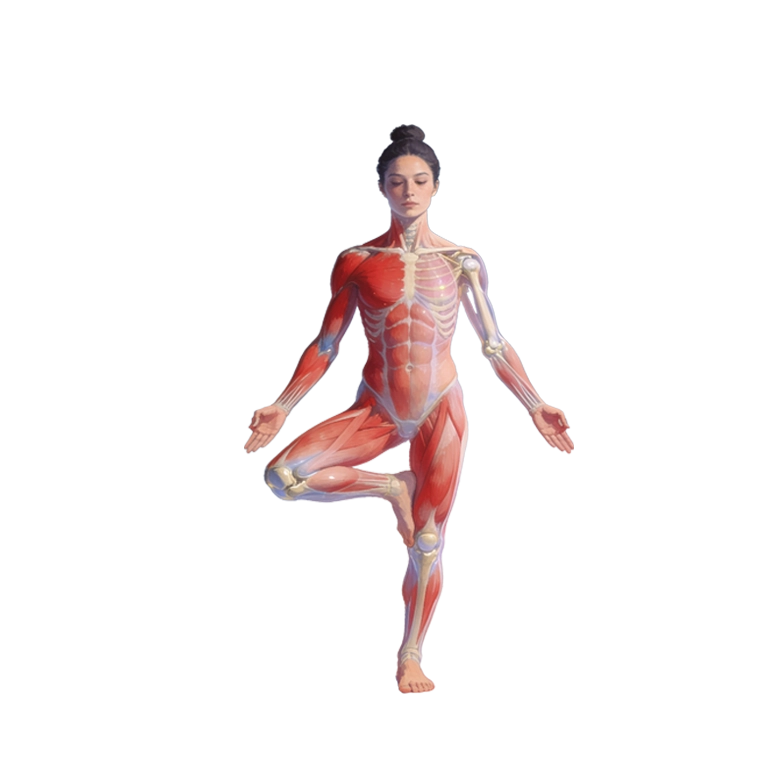
And it goes a step further: every particular movement—bending, stepping, rolling, turning—calls on its own exact muscles, bones, nerves, and other parts. During such movements, these parts are involved more than the rest of the body [see example HERE].
Physical activity is not your only route to feeling better.
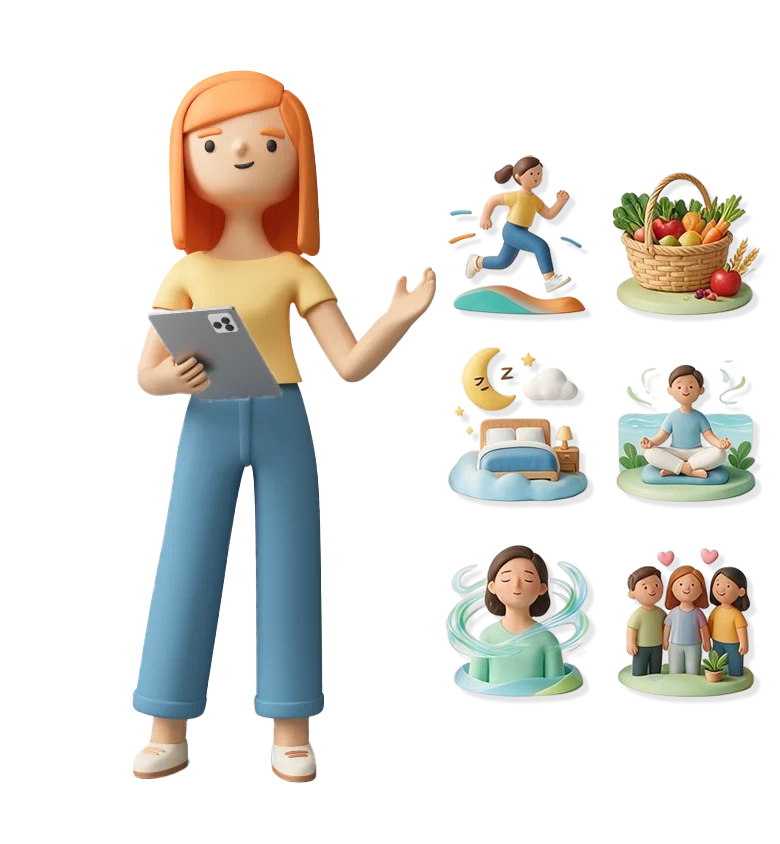
Tweaking, fine tuning, and upgrading physical activity, diet, sleep, stress management, breathing, and social connections improve wellness across all your body’s systems.
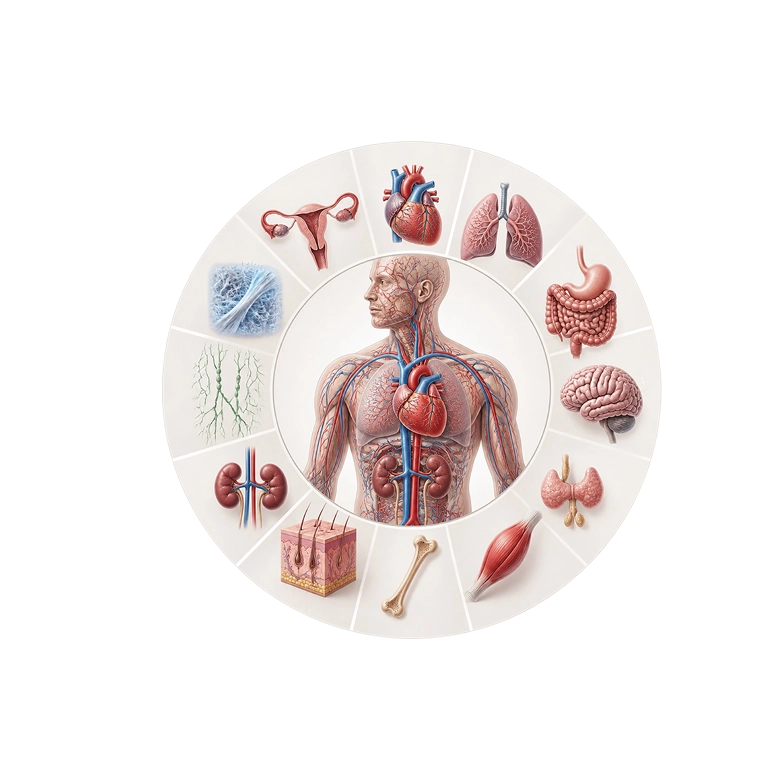
The DIY and professional suggestions below are simple ways to positively influence your circulatory, nervous, fascial, lymphatic, skeletal, muscular, and other body systems.
motion anatomy
Circulatory system
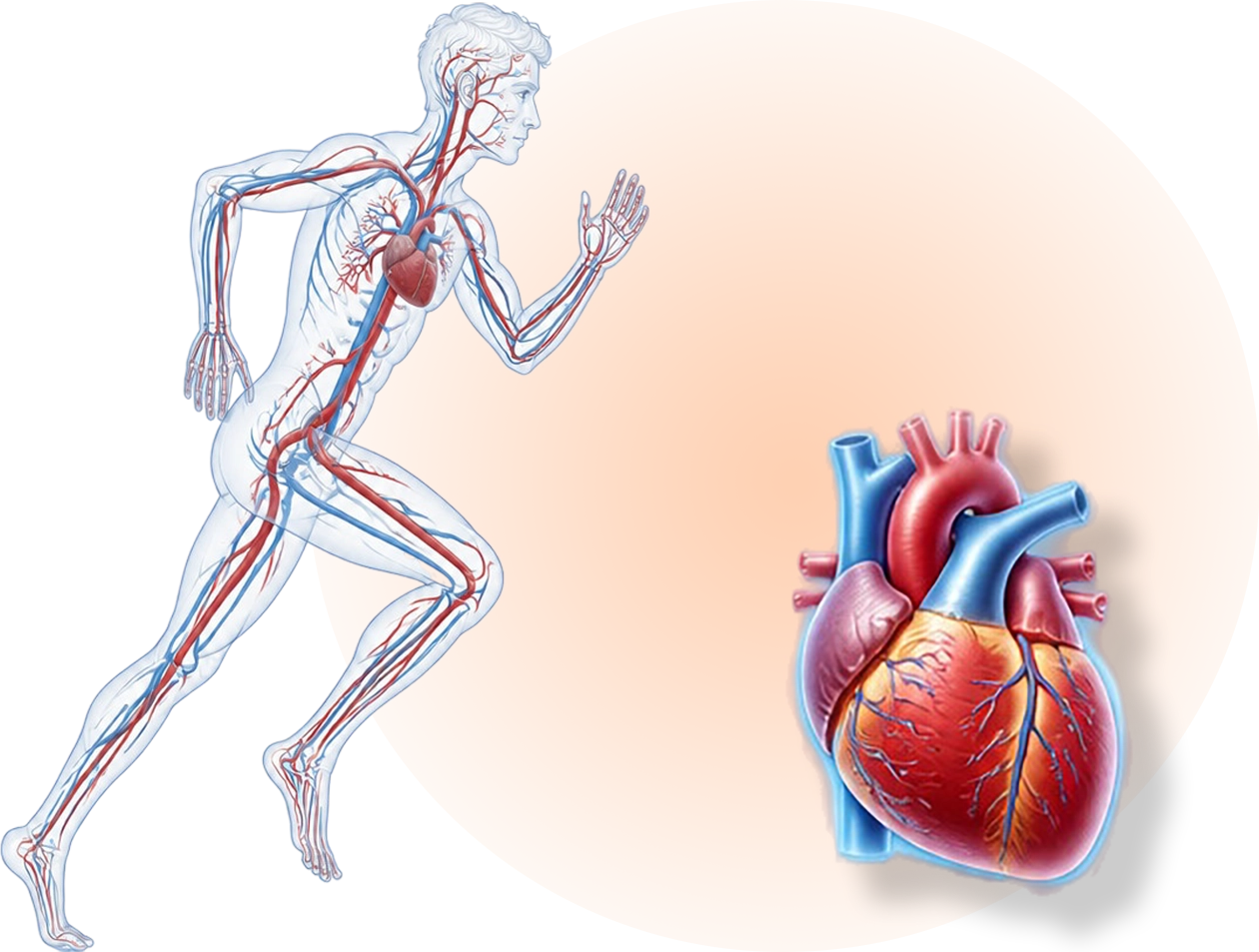
A healthy circulatory system is summarized as having blood pressure below 120/80 mmHg, a resting heart rate of 60-100 (ideally 50-70) beats per minute, flexible arteries that can move freely and aren’t compressed or pinched, an efficient heart, and good blood return from your legs. Practically, it’s the ability to exercise at moderate intensity and heal quickly from cuts and scrapes.
Because it is not under your direct control, you cannot influence your circulatory system directly. However, you can change it through interconnected systems. You have to approach it sideways.
DIY (self-care):
Do daily aerobic activities such as brisk walking, cycling, and swimming. Pooled results from 54 trials show aerobic exercise meaningfully lowers blood pressure in people with and without hypertension (Whelton et al., 2002). Do not sit for long periods. Stand, walk, pump your ankles; move for 5 minutes every half hour (Duran et al., 2023); using your calf muscles helps push blood back to the heart (Recek 2013). Eat a Mediterranean and DASH-style diet—fiber-rich vegetables, fruits, whole-grains, lean proteins, while limiting salt, added sugar, and saturated fats. A healthy diet directly lowers blood pressure and cardiovascular risk (Filippou et al., 2020; Estruch et al., 2018). Limit alcohol — it raises blood pressure directly, and the old idea that moderate drinking protects the heart hasn't survived genetic studies (Millwood et al., 2019). Sleep 7+ hours. Sleeping enough and well is as important as a healthy diet (Watson et al., 2015). Manage stress; chronic high stress negatively affects the circulatory system (McEwen 2007). Controlled belly breathing can help lower blood pressure (Cheng et al., 2026). Keep up your social connections. Supportive relationships boost wellness by lowering blood pressure, decreasing stress hormones, and possibly reducing inflammation (Uchino 2006). Prolonged loneliness and isolation have a negative impact (Steptoe et al., 2004). Do not smoke and avoid (ultra) processed foods.
Professional support:
A physiotherapist, strength coach, or personal trainer can set up and safely progress an aerobic program. An activity-tracking app or wearable gives a modest but real boost to how much you actually move (Gal et al., 2018). Telehealth check-ins or an online coaching program help you keep the routine going. Professional mental and emotional support, either in person or online, can be useful.
motion anatomy
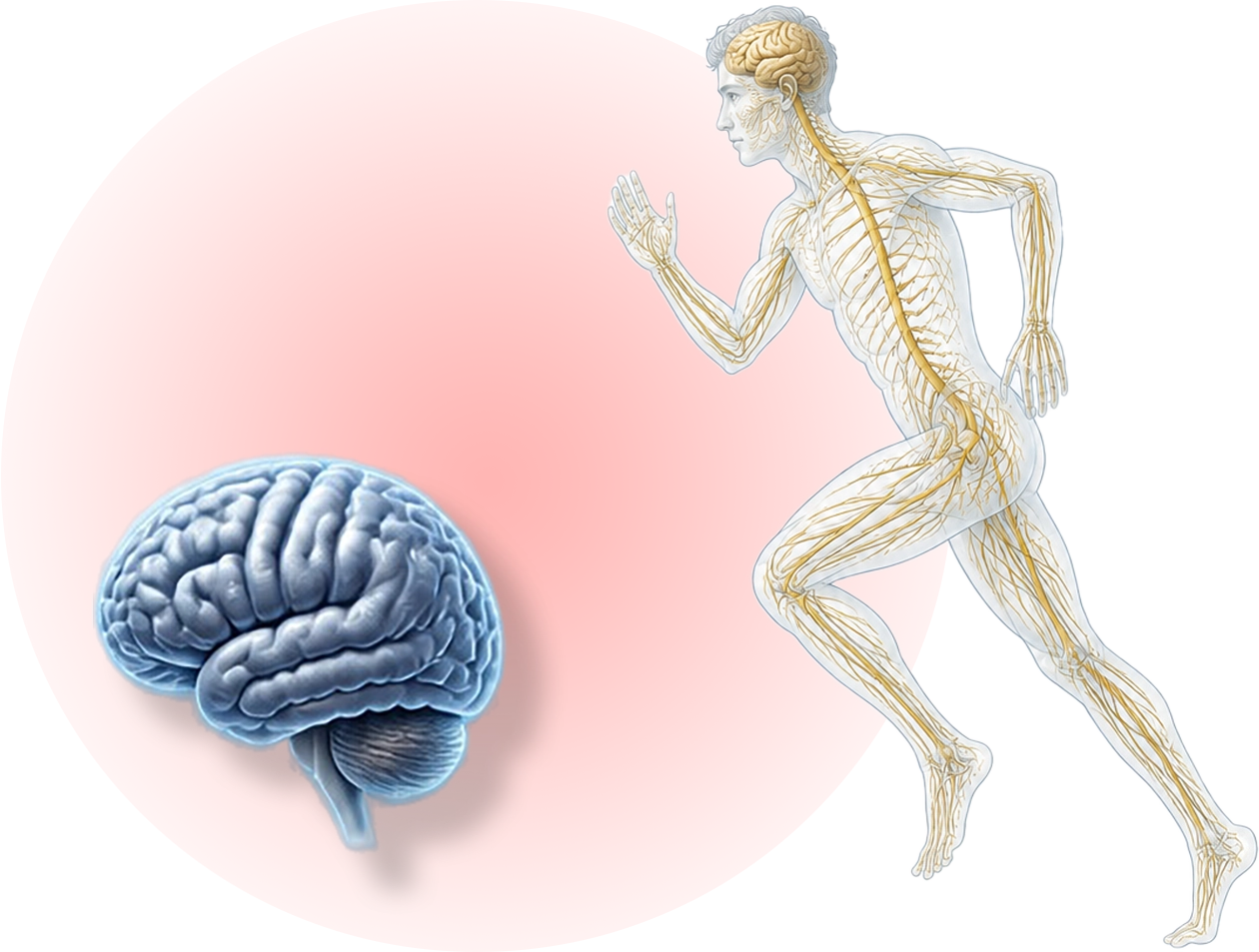
Nervous system
A healthy nervous system, a sophisticated communication network, ensures good balance and coordination, smooth movement, stress handling, clear thinking, steady mood, and sound sleep. It has important physical, cognitive, and emotional tasks (Proske & Gandevia, 2012; Tuthill & Azim, 2018). Architecturally, it has freedom of movement, often called gliding, especially during movement.
Part of your nervous system is under voluntary control. You influence it by moving—commanding muscles via electrical signals. Examples include picking up a glass, brushing teeth, workouts, yoga, and balance exercises. The other part works automatically, managing heart rate, digestion, blood pressure, etc. Still, you can influence it through interconnected systems like the respiratory system.
DIY (self-care):
Do full range exercises to improve proprioception and keep the central and peripheral nervous systems mobile and gliding (Carroll et al., 2012). Balance, coordination, and single-leg exercises improve body awareness and motor control (Yilmaz et al., 2024). Do aerobic exercise to improve the balance between your body's "gas pedal" and "brakes"— cardiovascular exercise measurably improves heart-rate-variability markers of autonomic balance (Amekran et al., 2024); movement is also a recommended, low-harm approach to ongoing pain (Geneen et al., 2017). A healthy, glucose-stable diet (i.e., avoid added sugars) with sufficient omega-3s and vitamin B12 promotes healthy system function. The Mediterranean diet checks all boxes. Limit the intake of alcohol, it negatively impacts sleep. Try to sleep enough (7+ hours) and well. Enough sleep helps improve mood, focus, and pain tolerance (Watson et al., 2015). Prevent chronic stress by balancing stressful situations with sufficient periods of recovery and relaxation. Over time chronic stress has a negative impact on the nervous system (McEwen 2007). By slowing your breath and emphasizing your exhale, you push your body toward a recovery state. Activating the parasympathetic nervous system, involved in repair and recovery, lowers heart rate, reduces stress hormones, and helps you relax (Laborde et al., 2022). Staying socially connected provides consistent gains in mood and resilience (Uchino, 2006). Social isolation can increase stress hormone levels (Steptoe et al., 2004).
Professional support:
A physiotherapist, osteopath, yoga instructor, or other practitioner can help with balance, neuromuscular retraining, and full-range exercises. A mental health professional can help with structured stress management programs (Hilton et al., 2017). A yoga/tai-chi instructor can provide a motion-based program with similar effects. A guided meditation or breathing app, and counseling or peer support in person or online, are part of cognitive and emotional health.
motion anatomy
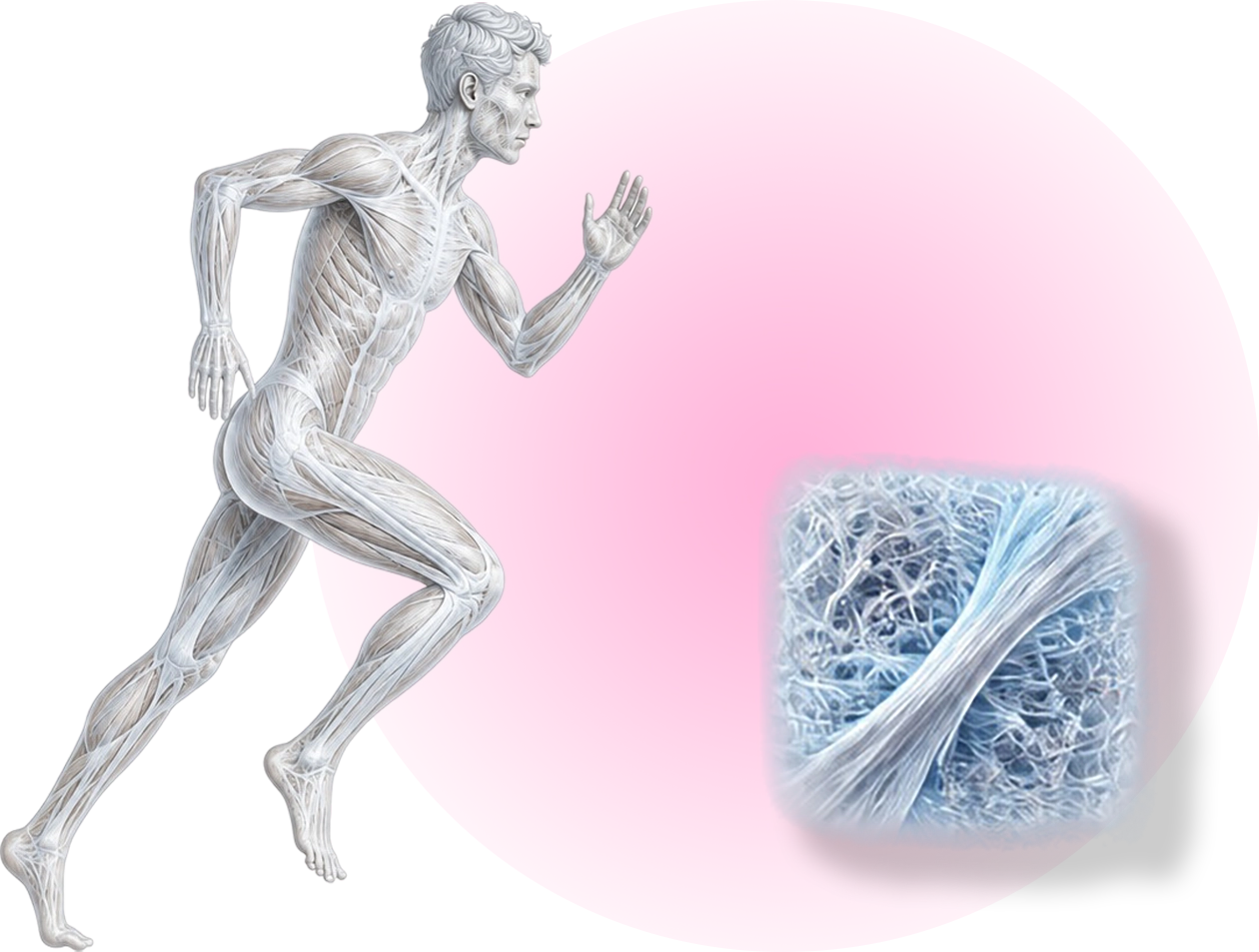
Fascial system
A healthy fascial system, a well-lubricated internal web of connective tissues, transmits force, aids body awareness, glides, and allows full range and pain-free movements. Healthy fascia is resilient, pliable, elastic, and well-hydrated. It is an active, body-wide network and not a passive wrapping (Schleip, 2003; Stecco, 2015; Benias et al., 2018).
You do not command the fascial system directly, but you can influence it through other, interconnected systems.
DIY (self-care):
Move often through a full range. Varied, whole-range movement keeps tissue layers gliding, while staying sedentary stiffens them (Slomka et al., 2024). Move for 5 minutes every half hour if possible. Stretch and use a foam roller; both improve range of motion short- and long-term (Konrad et al., 2024). However, well-balanced physical activity is superior. A whole-food Mediterranean diet helps rebuild tissues, prevent stiffness, maintain cellular hydration, and reduce inflammation. Vitamin C, magnesium, collagen, amino acids (i.e., glycine, proline), and proper hydration are important. Enough quality sleep is important. Balancing regular physical activity with adequate recovery keeps connective tissue healthy (Bull et al., 2020; Watson et al., 2015). Try to avoid added sugar and (ultra)processed foods.
Professional support:
Massage therapists, physiotherapists, and other practitioners provide hands-on soft-tissue work, modalities, and guided mobility. All of which are useful if self-care is not an option (Konrad et al., 2024). Movement-class instructors (mobility, yoga, Pilates) coach full-range movement. Virtual instructors are available through videos and apps.
motion anatomy
Lymphatic system
A healthy lymphatic system works undetected, as if invisible. It circulates fluid, immune cells, dietary fats, waste, and antigens without stagnation or swelling. It defends against infections. Unlike your circulatory system, your lymph system has no pump of its own — it relies solely on muscle contraction (physical activity) and breathing to work well (Scallan et al., 2016).
Your lymphatic system is not under your direct conscious control and is passive. You can, however, help it do its job via the muscular and respiratory system. Using your muscles and breathing (belly more than chest) helps circulate lymph fluid.
DIY (self-care):
Physical activities such as walking, ankle pumps, and slow belly breathing help circulate lymph fluid and prevent or reduce stagnation (Scallan et al., 2016; Hespe et al., 2016). Implement regular resistance exercises (body weight, bands, weights, etc.). A well-balanced program is safe and beneficial even where fluid load is a concern (Schmitz et al., 2009). Do not sit for long periods; the system stalls without movement (Duran et al., 2023). Five minutes of physical activity every 30 minutes helps keep lymph fluid moving. A balanced, whole-foods Mediterranean diet is believed to benefit the lymphatic system. It contains vitamin C and other antioxidants, omega-3 fatty acids, whole fiber-rich foods, lean proteins, sufficient water, hydrating foods, and more. Limit sodium, (ultra) processed foods, and added sugars. They promote inflammation and increase fluid retention. Limit how much alcohol you drink. Alcohol impairs immune function (Sarkar et al., 2015). Sleep well and enough. Your lymphatic system, your immune system, is generally more active when you sleep. During sleep, your body’s defenses are reorganized and replenished (Besedovsky et al., 2019). Through belly breathing—i.e., gentle internal pumping— you can actively support lymphatic circulation, “massage” the thoracic duct (a large lymphatic vessel). Healthy social connections support immune function while social adversity is linked to increased inflammation (Leschak et al., 2019). Compression socks or intermittent compression systems can aid the lymphatic system and recovery.
Professional support:
Therapists can improve lymphatic circulation (often temporarily) with manual lymphatic drainage and intermittent compression systems. A supervised exercise regime is a great and safe way to boost lymphatic function (Schmitz et al., 2009). A guided-breathing app or virtual guidance supports daily practice.

motion anatomy
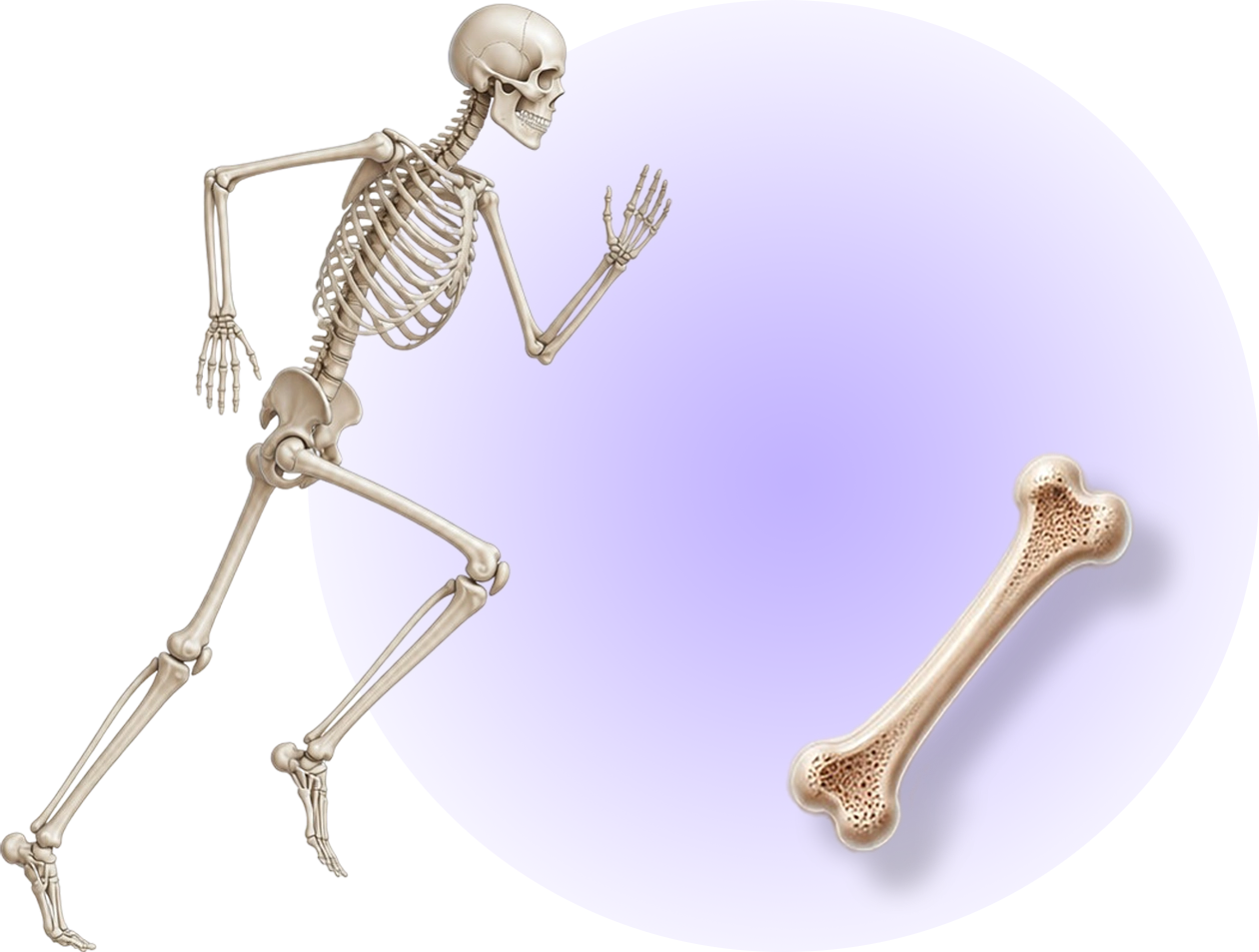
Skeletal system
A healthy skeletal system is a strong, dynamic, supporting framework of over 200 bones, and the joint capsules and ligaments that connect them. This system depends on the alignment, mobility, pain-free function, ROM, and stability of its connecting and jointed parts.
Unlike the muscular system, the skeletal system is not under your direct voluntary control. You can, however, influence it through interconnecting systems. Wolff’s law says “load it, and it remodels.”
DIY (self-care):
Not moving stiffens joints; daily full range movements can help prevent this (Akeson et al., 1980). Load your bones with weight-bearing, added resistance, and, where appropriate, impact to build bone. Doing moderate or high-impact exercise might improve bone mineral density (BMD) at any age (Ng et al., 2023). Practice balance—exercise your nervous system—to prevent the falls that cause fractures (Bull et al., 2020). A Mediterranean diet is widely recommended for bone health. Protein, calcium, and vitamin D are the raw materials for bone repair and maintenance (general nutrition consensus). A well-balanced, healthy diet should do the trick. Limit the intake of alcohol. Alcohol is believed to reduce bone density by slowing down growth of new bone tissue (i.e., osteoblast suppression). Make sure you sleep and recover enough; bone and tissue maintenance happen during recovery (Watson et al., 2015). Proper belly breathing can help improve the health of your skeletal system by reducing stress hormones and improving postural alignment.
Professional support:
A physiotherapist or strength coach can help design a targeted and well-balanced loading and mobility program. Fall-prevention or balance classes lower the risk of fractures. A coached strength app or program can help with safe progressive loading. A nutritionist or dietitian, either in person or virtual, can help you fine-tune your diet.
motion anatomy
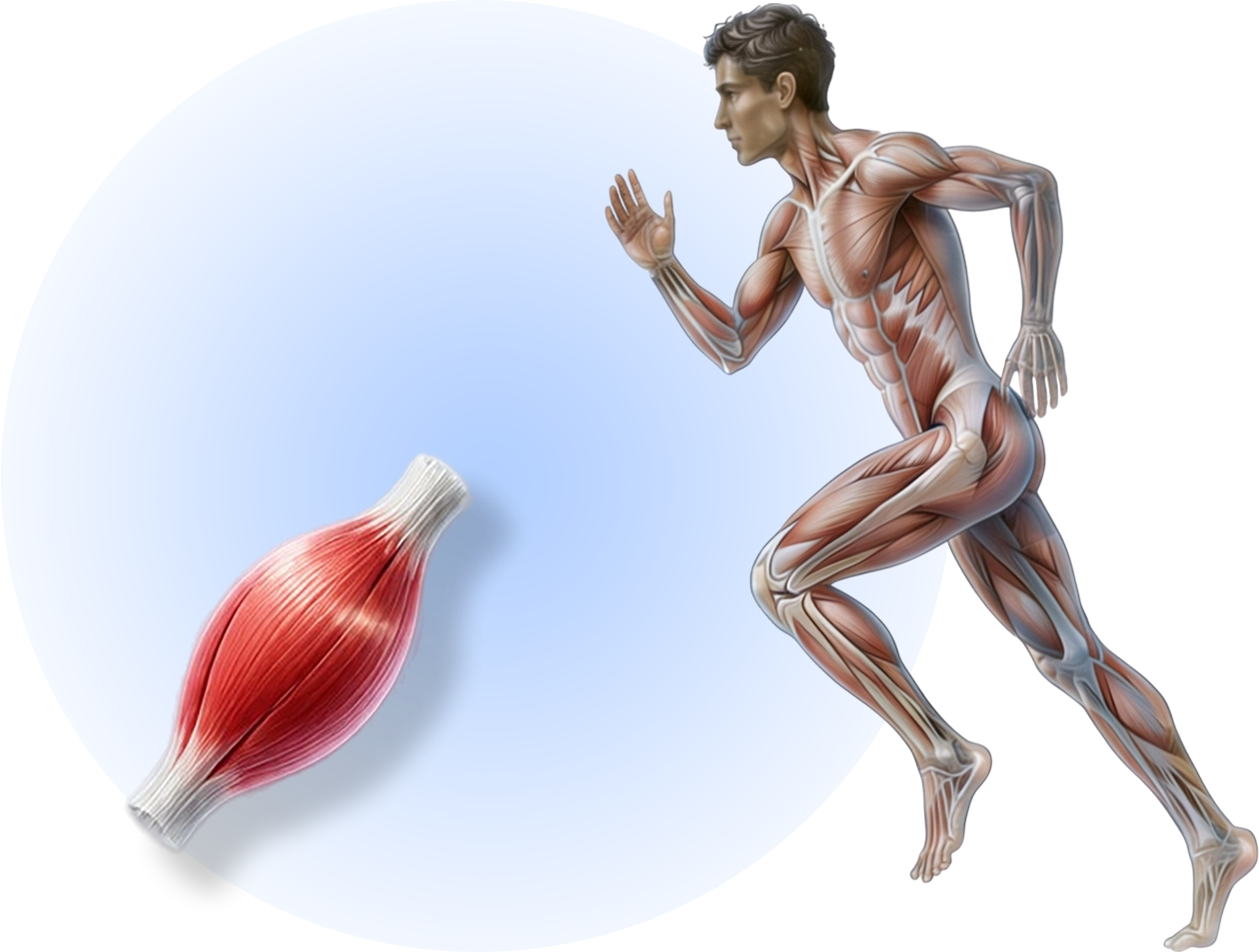
Muscular system
A healthy muscular system consists of pain-free, strong, pliable, uniform muscles that can move in relation to their surroundings, allow a full range of motion, shorten and lengthen easily and well, and don’t tire too quickly. A healthy muscular system interacts with the skeletal, fascial, circulatory, nervous, lymphatic, and all other organ systems—directly and indirectly (Pedersen & Febbraio, 2012).
When it comes to direct control, the muscular system is a mixed bag. Part of it is yours to command, part of it isn’t. You can move skeletal muscles, but certain mechanisms of the muscles, like reflexes and postural muscle tone, happen outside of your control. Cardiac muscle is self-regulating and autonomous, and smooth muscle is mostly autonomous—they work without your conscious involvement. Keep in mind that systems interconnect; you can influence your muscular system via the other systems.
DIY (self-care):
Do resistance exercises at least twice a week, or three times if you can. Move your joints through their full range of motion, which is generally best for building strength and muscle size (Pallarés et al., 2021). Regular training helps you build and keep muscle. If you have knee or hip osteoarthritis, resistance training can also help reduce pain and improve function (Marriott et al., 2024; Lim et al., 2024). Cardiovascular or endurance activities are also important. They promote circulation, waste removal, and improve muscle endurance. General recommendations are 150-300 minutes of moderate activity a week, roughly 20-45 minutes a day, or 75-150 minutes of vigorous activity, or a mix of both, plus strength work on two or more days (Bull et al., 2020). Avoid physical inactivity for long periods. Move for at least 5 minutes every 30 minutes. Eat healthy, varied, whole foods and limit the intake of processed foods and sugar. Carbohydrates and proteins help build and maintain muscle (nutrition consensus). Vitamin D, calcium, and omega-3 fatty acids are important for healthy muscle function. Creatine—a dietary supplement—has a well-documented positive effect on muscle energy. Limit alcohol intake, alcohol limits muscle recovery (protein synthesis) after exercise even when protein is co-ingested (Parr et al., 2014). Sleep 7+ hours for recovery. Muscles, like every other system, grow and repair between sessions, not during them (Watson et al., 2015). Breathing work can influence the muscles.
Professional support:
A physiotherapist, strength coach, or trainer can provide you with a well-balanced, progressive program. An online coached strength program or video form-checks bring guidance home.
motion anatomy
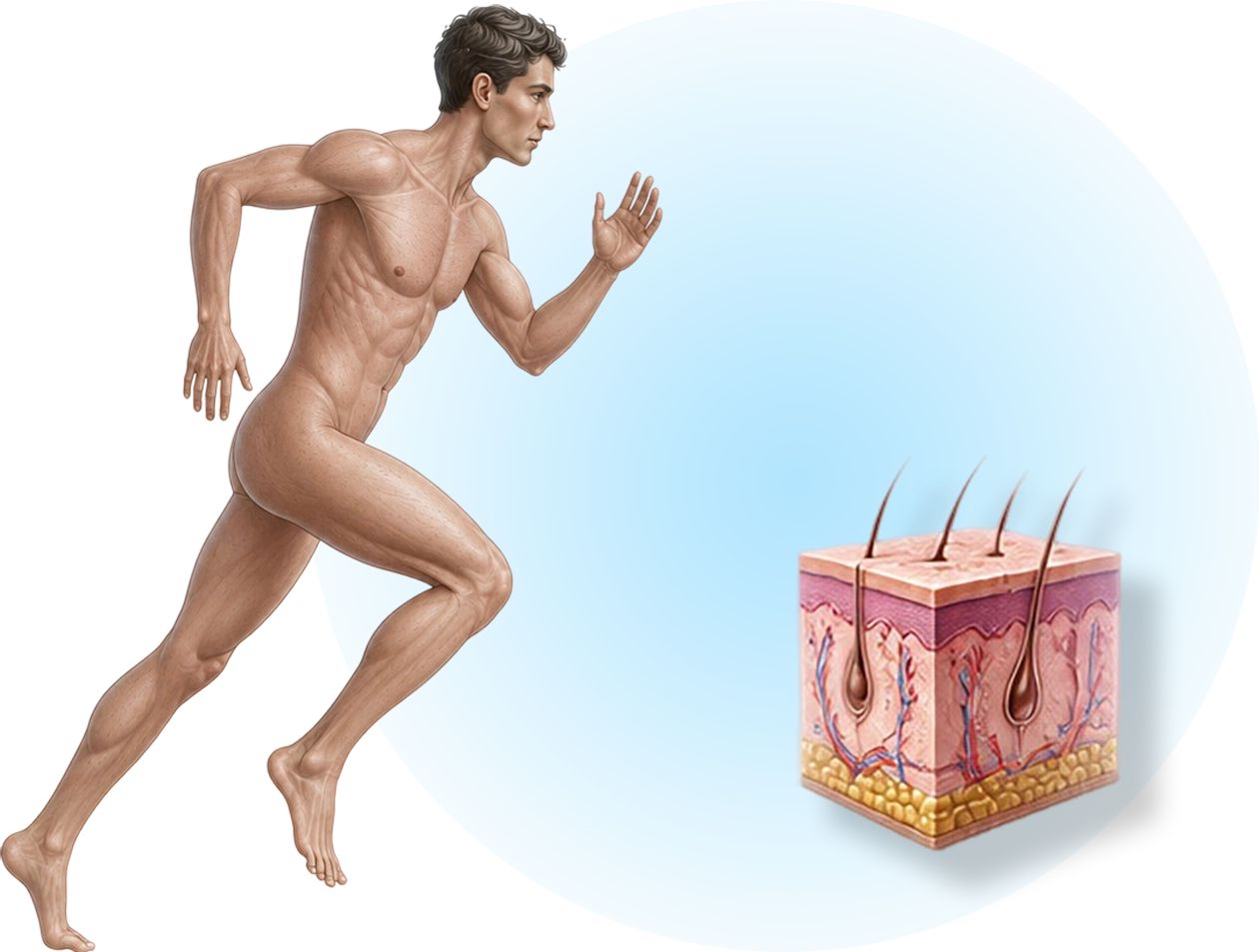
Integumentary system
A healthy integumentary system is a smooth, toned, intact, continuous skin barrier. It should be pain-free, well-hydrated, pliable, mobile, well-circulated, and respond to the slightest change in temperature, touch, and more. Healthy skin regulates temperature through sweat, heals well, and protects against sun damage (Baker, 2019; Romanovsky, 2014). Healthy hair is lustrous, resists breakage, nails are smooth and firm, with pink nail beds.
You do not control this system directly; it runs in the background without your say-so. It is self-regulating. But, like with every other organ system, you can influence it indirectly.
DIY (self-care):
Stay active and move through a full range to support circulation that feeds and heals the skin, and to keep skin pliable and gliding over the fascia beneath it (Rao et al. 2021). A low-glycemic (reducing insulin spikes) whole-food diet, like the Mediterranean diet, is considered favorable. Your skin needs omega-3 fatty acids, vitamins A, C, and E, and other antioxidants, as well as proper hydration. Limiting added sugar, dairy, and (ultra) processed foods is a good idea. Sleep well and enough; every system repairs itself during sleep. Skipping sleep means missing repairs. Stress management is important. Chronic stress can cause clogged pores, acne, skin dryness, sensitivity, infections, inflammatory flare-ups worsening psoriasis and eczema, slow skin healing, and brittle nails and hair problems. Wear daily broad-spectrum sunscreen — the best-evidenced skin habit: over 4.5 years, daily users showed no detectable increase in skin aging versus occasional users (Hughes et al., 2013). Do not smoke; smoking is a major driver of skin aging by restricting circulation in, among others, the skin (Morita, 2007).
Professional support:
A physiotherapist, trainer, or other practitioner can develop a movement program to improve all organ systems, including the integumentary system. Physiotherapists, massage therapists, or other skilled practitioners can provide connective tissue or skin treatments to help improve mobility and pliability of the integumentary system and alleviate skin-related pain. When in doubt—anything with a lesion, a changing mole, etc.—see a doctor or dermatologist.
motion anatomy
Respiratory system
A healthy respiratory system works quietly and without effort. Lungs are pink, elastic, and sponge-like. Strong, efficient breathing muscles like the diaphragm and a mobile rib cage that allows full range of motion regulate gas exchange through breathing, or ventilation (Dempsey et al., 2020). Breathing is a motion requiring muscles to shorten and joints to move.
This is a dual system; part is under your direct control, part is not. You can slow or speed your breathing and shift it from chest to belly and back. Because organ systems interconnect, you can use breathing to influence your circulatory, nervous, lymphatic, and endocrine systems.
DIY (self-care):
Do regular aerobic activity to build breathing fitness (Bull et al., 2020). Include the pelvic region, lumbar, thoracic, rib cage, shoulder girdle, and their related areas in your full-range resistance programs regularly. Breathing depends on a functional range of motion and unrestricted activity of the aforementioned areas. You can train inspiratory-muscle strength and reduce breathlessness through diaphragmatic and pursed-lip breathing, and breathing against light resistance (Carvajal-Tello et al., 2024). A healthy, whole-foods diet containing produce, quality carbohydrates and fats, and lean proteins is beneficial. Try not to drink alcohol or limit how much. Drinking alcohol makes snoring and sleep apnea worse and increases the risk of pneumonia. Sleep well and enough; a lack of sleep can affect your respiratory system negatively (Cooper et al., 1982; Prather et al., 2015). Stress management and breathing are related—one helps the other. Daily conscious belly breathing helps strengthen breathing muscles, opens airways, and reduces stress. Work on your posture, sit and stand tall; it affects how well you breathe. Don't smoke; smoking has a negative effect on your respiratory system.
Professional support:
A physiotherapist or respiratory therapist can help with pulmonary rehab and guide breathing training. If indicated, you can use an inspiratory trainer device with an app at home. Breathing coaches and breathing apps can provide support.

motion anatomy
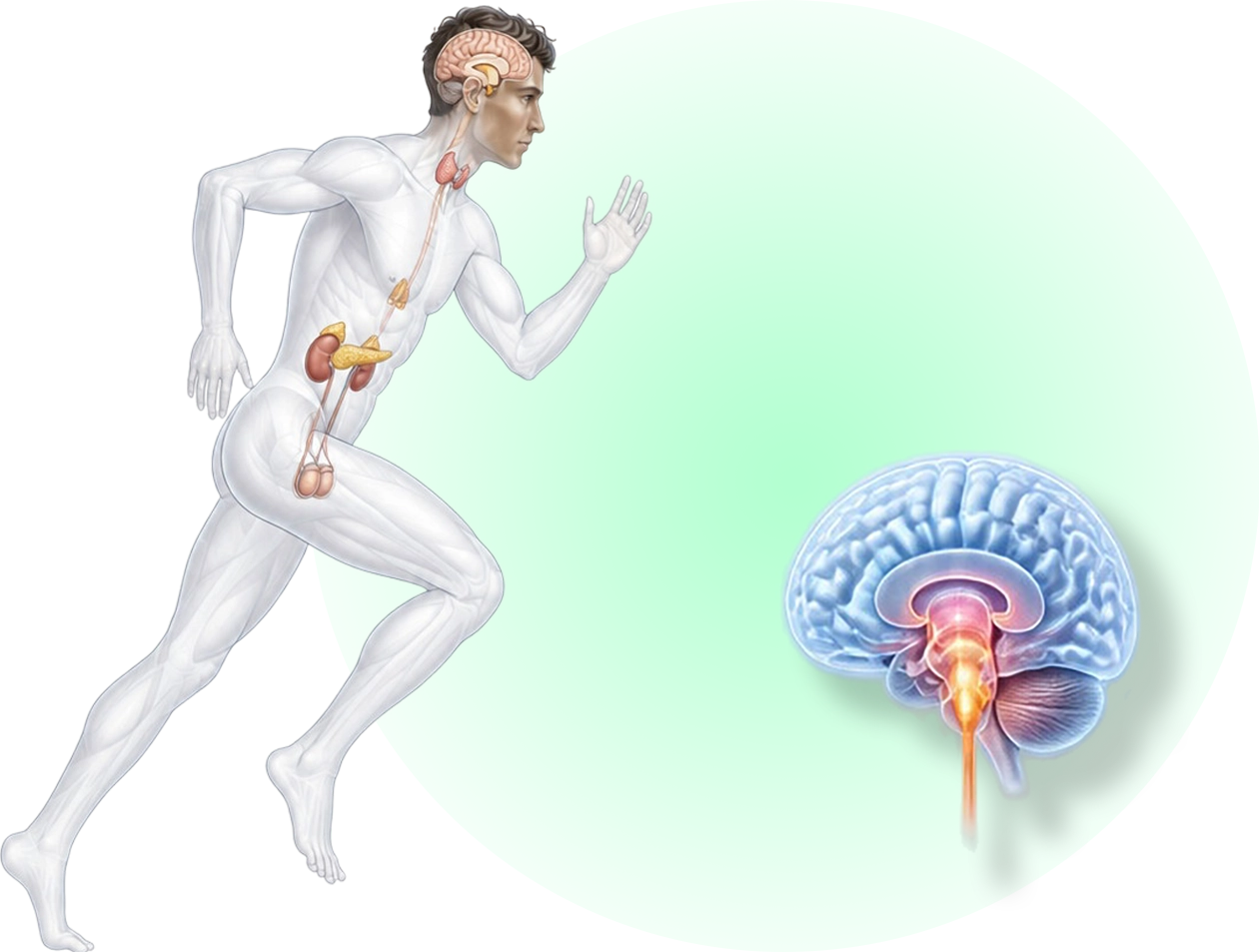
Endocrine system
A healthy endocrine system maintains a stable hormonal homeostatic balance. It helps keep your blood sugar and energy levels stable, prevents mood swings, helps maintain a stable, consistent body weight, and supports high-quality sleep and recovery. It is an important part of a well-regulated, stable stress-response (Kraemer & Ratamess, 2005; Hackney & Lane, 2015).
This system is not under your direct control. But, like all other systems, you can influence it through interconnected systems.
DIY (self-care):
Physical activity, from walking more often to establishing a regular workout routine, boosts endocrine system health. Every form of activity, from aerobic, resistance, functional, and mobility, to combined workouts, is helpful. Although each activity has several specific effects, physical activity in general optimizes hormone production, improves receptor function, and regulates stress. Avoid sitting still for more than 30 minutes at a time. Five minutes of physical activity, like a short walk, every half hour helps blood sugar and more (Duran et al., 2023). Eat a healthy, whole-food diet like the Mediterranean diet. Avoid a pro-inflammatory “Western” diet high in added sugars, (ultra) processed foods, and unhealthy fats. Eating well helps reduce inflammation, regulate insulin, and lower stress hormones. Limit the intake of alcohol, it negatively impacts blood sugar regulation, raises stress hormones, and lowers testosterone. Protect your sleep; short sleep increases cortisol, a stress hormone, and worsens blood sugar regulation (Spiegel et al., 1999). Enough quality sleep is essential. Manage your stress; chronic stress dysregulates the proper balance of stress hormones (McEwen 2007). Controlled belly (diaphragmatic) breathing, for example, can help lower cortisol, a stress hormone. Social connections help improve the health of your endocrine system (Uchino 2006). When used in moderation and correctly, red light therapy, UV light, and cold/hot baths are believed to promote endocrine health. Please note that these claims are inconclusive.
Professional support:
A trainer, physiotherapist, or other practitioner can design a program that helps provoke a specific endocrine response—boosting or reducing certain hormones or altering how they affect your body. A nutritionist can help do something similar, but through how and what you eat (Ormsbee et al., 2014). Glucose- and activity-tracking apps provide (indirect) insight into the endocrine system and may say something about the impact of your routine.
motion anatomy
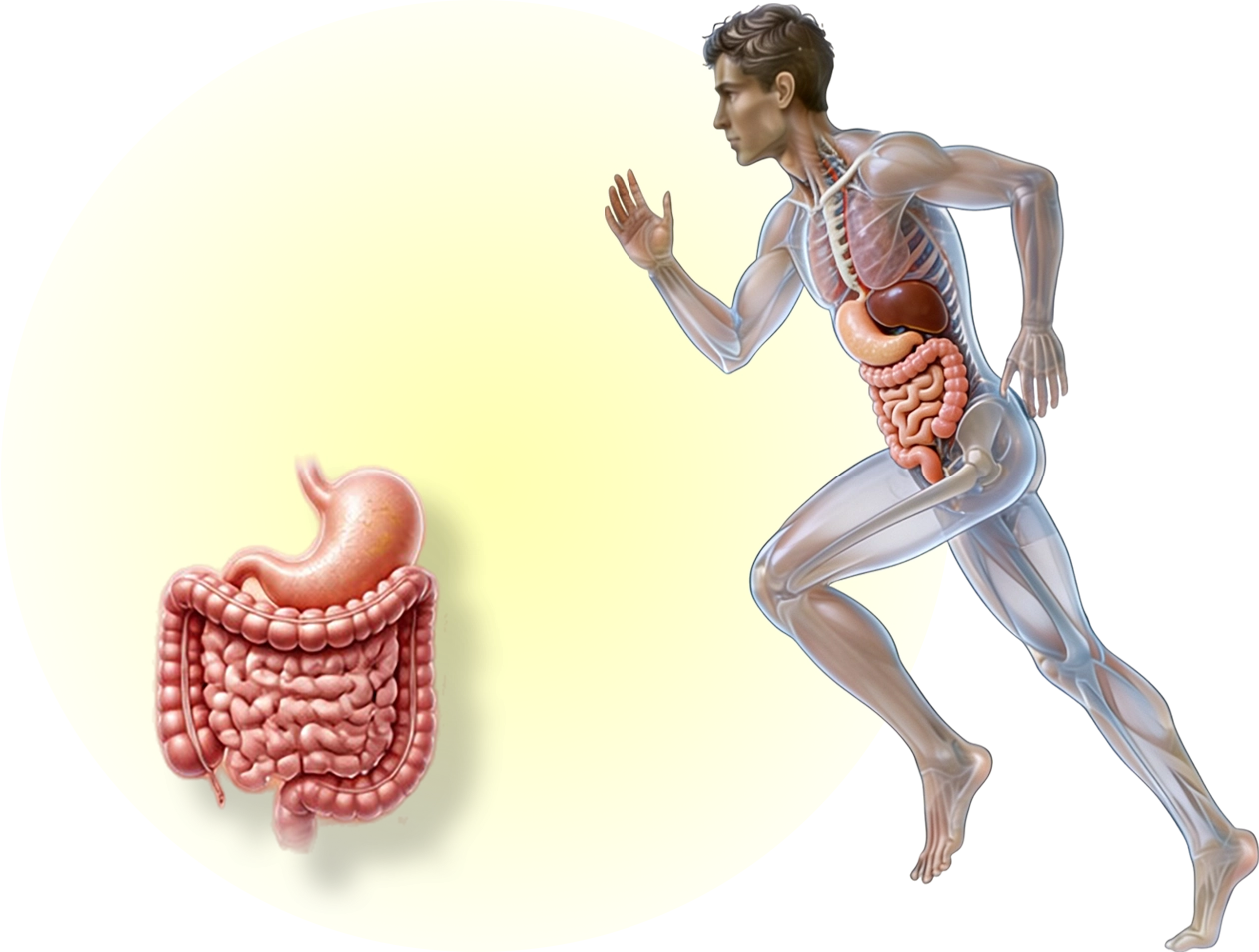
Digestive system
A healthy digestive system works in the background, painlessly, regularly, easily, and comfortably, breaking down food, absorbing nutrients, and removing waste. The system, like any other system, requires some mobility—a healthy system moves in reference to its neighboring organs as it works and you move and breathe (Keall et al., 2006). Nutrition both fuels activity and is shaped by it (Ormsbee et al., 2014).
Your digestive system is mostly involuntary; it runs in the background without you having to do anything, with the exception of the “ends.” Chewing, swallowing, and control of the anal sphincter are voluntary—under your control. In addition to the few processes you control, you can influence them indirectly through other systems.
DIY (self-care):
Moderate movement, like a stroll after a meal, helps digestion, speeds transit, eases constipation, and alleviates irritable-bowel symptoms. Movement of your trunk and breath keeps abdominal organs gliding (Johannesson et al., 2011). Intense or long-lasting activity can upset the gut, so moderate to light is best. Eat enough fiber, fruit, and vegetables, and drink enough water for regularity (van der Schoot et al., 2023). Whole, unprocessed foods are preferable. Limit the intake of alcohol, it has a direct negative impact on several digestive organs. Manage stress and sleep well — the gut and brain are closely linked (Cryan et al., 2019). Through breathwork, you can shift the body from a “fight-or-flight” state into a “rest-and-digest” state, a recovery state, or a trophotropic state. This recovery state promotes digestion and healing. Close social relationships affect gut microbiota in a positive way, loneliness tends to have a negative impact (Dill-McFarland et al., 2019, Nguyen et al., 2021). Light therapy, and hot and cold tubs are believed to help the digestive system by reducing inflammation and stress. Please note that these claims are not conclusive.
Professional support:
A nutritionist can help design a dietary program that contains the necessary fiber and nutrients, is easy to follow, and, of course, is flavorful and to your liking. A physiotherapist or other practitioner can help design a pelvic-floor or multimodal therapy program to ease constipation. A strength coach or personal trainer can propose a moderate-to-light program to help boost digestion. A symptom tracking app can help spot patterns.
motion anatomy
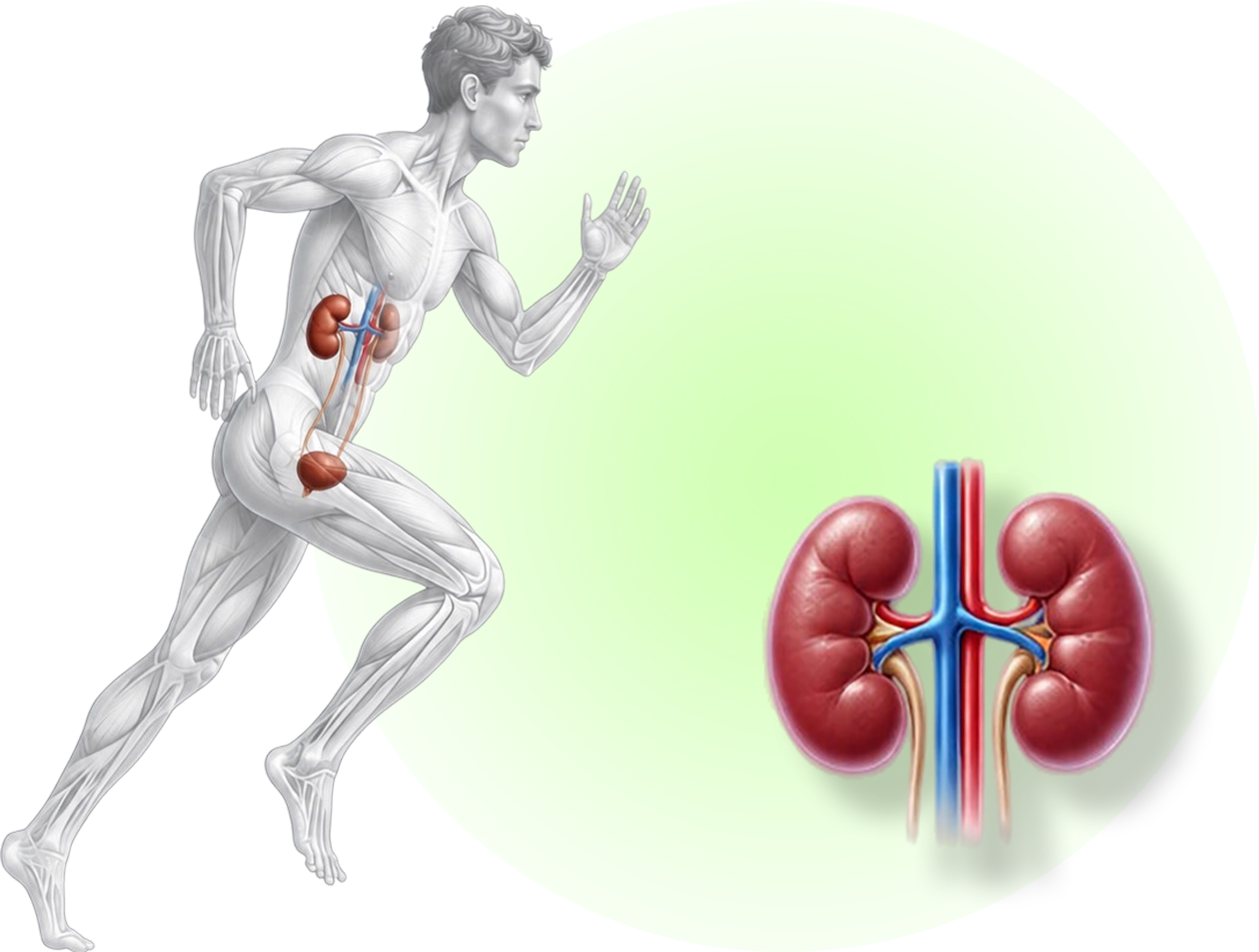
Renal system
A healthy renal or urinary system works mostly without you noticing, with your kidneys filtering well and without hiccups. It allows you to control your bladder up to a certain point and empties without problems. Urine is clear or pale-yellow and free of strong odor (peeing 4 to 8 times a day without pain or urgency is considered normal). Proper pelvic floor support and control tie into this system. Like all other systems, the mobility of the kidneys is important; they shift 7-8 mm on each breath (Pham et al., 2013).
This system is mostly autonomous, except for the external sphincter and pelvic floor. As mentioned in the previous paragraph, you can control your bladder and shorten (contract) the muscles that make up your pelvic floor. You can influence the other parts of the renal system, the ones not under your control, via the other organ systems.
DIY (self-care):
Daily physical activity is important. Resistance training, cardio workouts, walking, and swimming promote circulation and oxygen delivery to the kidneys. A well-balanced activity routine can help improve mobility, regulate blood sugar levels, manage blood pressure, and reduce inflammation. Train your pelvic floor — the standout habit: a review of 31 trials (1,817 women) found pelvic-floor muscle training can cure or improve urinary incontinence and belongs in first-line care (Dumoulin et al., 2018). Drink enough water (60 to 70 ounces on average—depending on variables like body weight, climate, and activity levels) to support bladder and kidney function, limit salt intake, and use NSAIDs like ibuprofen, and naproxen only if necessary and indicated. Limit alcohol. Alcohol is a diuretic (forces your body to expel water and electrolytes) and known to irritate the kidneys. A Mediterranean or DASH diet is recommended for renal health. Whole grains, fresh produce, healthy fats, and lean proteins help regulate blood pressure and blood sugar levels. Sufficient, quality sleep is important. In a study of over 4,000 people, those sleeping 5 hours or less were 79% more likely to experience a rapid decline in kidney function than those sleeping 7 hours (McMullan et al., 2016). Short sleep is also linked to protein leaking into the urine, an early sign of kidney strain (Cheungpasitporn et al., 2017). Note that both too little and too much sleep raise the risk — 7 to 8 hours is the assumed target. Breathe (do belly breathing exercises) — full breathing keeps the kidneys mobile and helps lower blood pressure (Cheng et al., 2026). A healthy circulatory system allows for a healthy renal system. The use of red light, UV, cold, and hot tubs requires caution. They can cause unwanted stress to the renal system.
Professional support:
A pelvic-health physiotherapist or other specialist can help you with pelvic-floor training—supervision has been shown to improve technique and results (Dumoulin et al., 2018). Biofeedback devices or pelvic-floor training apps and telehealth pelvic-health services support practice at home.
motion anatomy
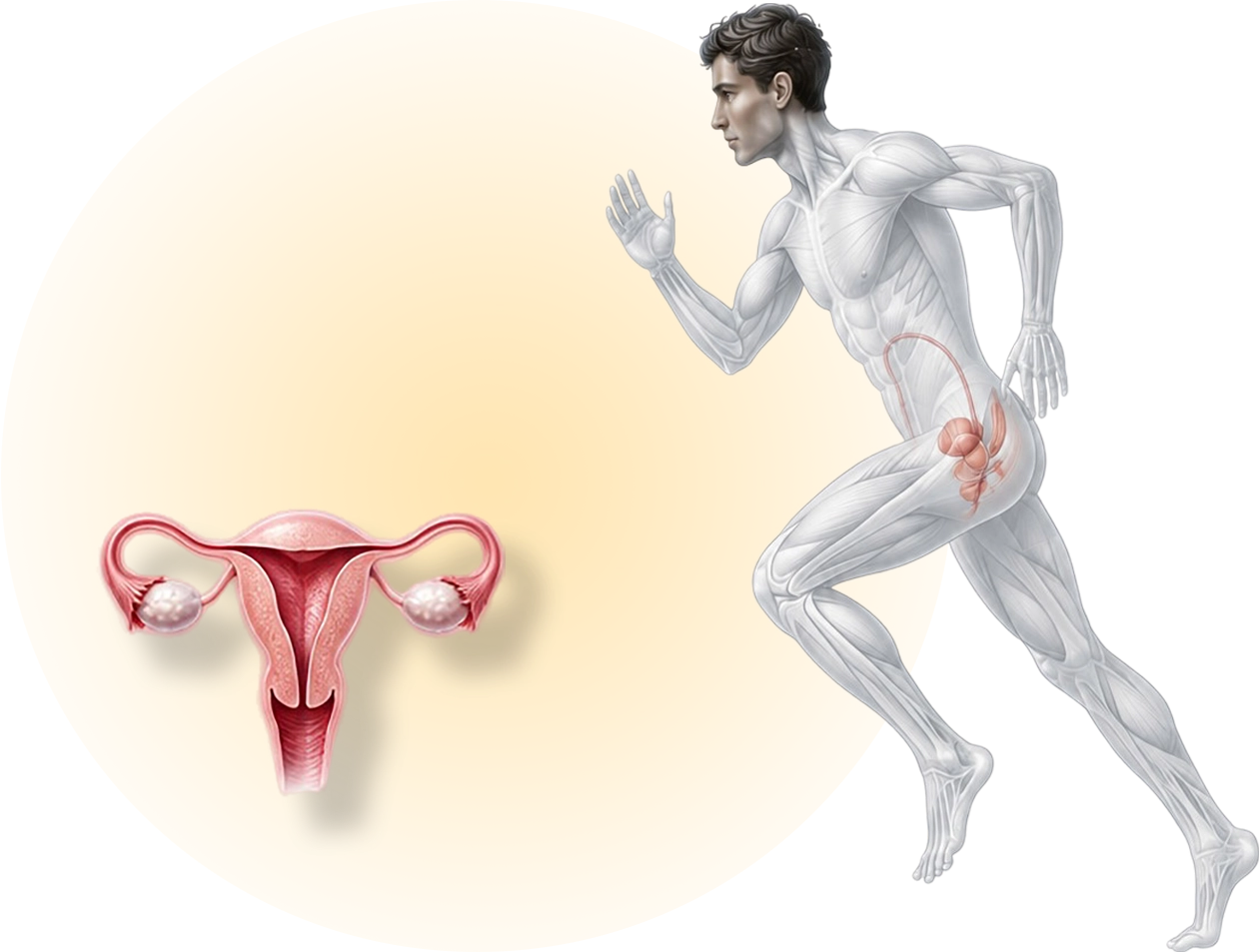
Reproductive system
A healthy reproductive system functions pain-free and manifests a consistent and healthy sexual drive and function. In women, it produces regular periods and fertile mucus and relies on balanced reproductive hormones (which also affect tendon and ligament stiffness) and well-managed menstrual or menopausal transitions (Chidi-Ogbolu & Baar, 2019). In men, it produces healthy, mobile semen. For all, a functional pelvic floor is important.
Most of your reproductive system functions outside of your control, with the exception of the pelvic floor muscles. It is, of course, possible to influence this system indirectly through its interconnected systems.
DIY (self-care):
Exercise regularly and move the hips through a full range — exercise improves sexual function, and the psychological symptoms of menopause, and movement keeps the pelvic tissues mobile (Carcelén-Fraile et al., 2020). Train your pelvic floor; it improves sexual function and sphincter control for both women and men (Dumoulin 2018), significantly promotes recovery from pregnancy and childbirth (Woodley et al., 2020), and decreases sexual dysfunction in postmenopausal women (Franco 2021). A Mediterranean diet promotes a healthy reproductive system. It is superior to Western diets (i.e., fried foods, red meat, added sugars). For women, dark leafy greens—rich in folate and iron—help system health. For men, antioxidants from fruits, vegetables, nuts, seeds, and fish (Vitamins C and E, zinc, and omega-3 fatty acids) are important. Limit the intake of alcohol. Alcohol affects fertility negatively in both sexes. Body composition, a healthy body fat-to-lean muscle mass ratio, and the location of stored body fat (i.e., waist) affect the system's function. Enough quality sleep and proper stress management help promote a healthy reproductive system. Belly breathing can promote the health of this system by reducing stress, improving abdominal blood flow and hormone regulation, and releasing pelvic tension. Red light therapy might promote reproductive health—not conclusive, though.
Professional support:
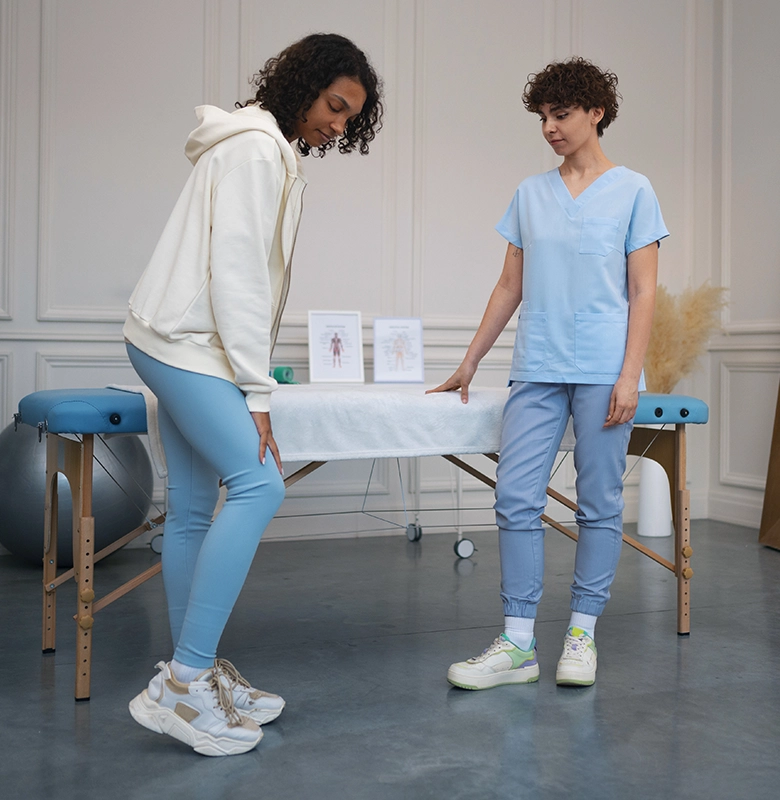
A pelvic health physiotherapist delivers pelvic floor and mobility work. A personal trainer or yoga instructor can help design a broader exercise program. A mental-health professional supports the psychological side of the menopausal transition, and telehealth connects you to specialists (Carcelén- Fraile et al., 2020).
motion anatomy
There's
one more
thing
Food, sleep, stress, and social connections affect your whole body at once.
So does movement, but it does something none of the others can. It reaches particular parts. Each movement depends on its own group of muscles, joints, nerves, and blood vessels. For example, you cannot eat to target your ankle stability, but you can exercise to improve the muscles, joints, and nerves involved. Breathing does both too, because breathing is a movement, one centered around the rib cage and torso.
This raises a question: which movements affect which parts of the body?
That's what motion anatomy is: anatomy organized by how you move.
References
Reference list
- Akeson, W. H., Amiel, D., & Woo, S. L.-Y. (1980). Immobility effects on synovial joints: The pathomechanics of joint contracture. Biorheology, 17(1–2), 95–110.
- Amekran, Y., & El Hangouche, A. J. (2024). Effects of exercise training on heart rate variability in healthy adults: A systematic review and meta-analysis of randomized controlled trials. Cureus, 16(6), e62465. https://doi.org/10.7759/cureus.62465
- Baker, L. B. (2019). Physiology of sweat gland function: The roles of sweating and sweat composition in human health. Temperature, 6(3), 211–259.
- Benias, P. C., Wells, R. G., Sackey-Aboagye, B., Klavan, H., Reidy, J., Buonocore, D., Miranda, M., Kornacki, S., Wayne, M., Carr-Locke, D. L., & Theise, N. D. (2018). Structure and distribution of an unrecognized interstitium in human tissues. Scientific Reports, 8, 4947.
- Besedovsky, L., Lange, T., & Haack, M. (2019). The sleep-immune crosstalk in health and disease. Physiological Reviews, 99(3), 1325–1380.
- Bull, F. C., Al-Ansari, S. S., Biddle, S., Borodulin, K., Buman, M. P., Cardon, G., … Willumsen, J. F. (2020). World Health Organization 2020 guidelines on physical activity and sedentary behaviour. British Journal of Sports Medicine, 54(24), 1451–1462.
- Carcelén-Fraile, M. del C., Aibar-Almazán, A., Martínez-Amat, A., Cruz-Díaz, D., Díaz-Mohedo, E., Redecillas-Peiró, M. T., & Hita-Contreras, F. (2020). Effects of physical exercise on sexual function and quality of sexual life related to menopausal symptoms: A systematic review. International Journal of Environmental Research and Public Health, 17(8), 2680.
- Carroll, M., Yau, J., Rome, K., & Hing, W. (2012). Measurement of tibial nerve excursion during ankle joint dorsiflexion in a weight-bearing position with ultrasound imaging. Journal of Foot and Ankle Research, 5(Suppl 1), O37.
- Carvajal-Tello, N., Ortega, J. G., Caballero-Lozada, A. F., Devia-Quiñonez, M. J., González-Calzada, I., Rojas-Hernández, D., & Segura-Ordoñez, A. (2024). Effects of inspiratory muscle training on lung function parameter in swimmers: a systematic review and meta-analysis. Frontiers in sports and active living, 6, 1429902.
- Cheng, S., Chen, Y., Yu, M., Zhao, L., Huang, H., & Zhao, M. (2026). Voluntary Slow Breathing Exercise on Cardiovascular Parameters in Patients With Hypertension: A Systematic Review and Meta‐Analysis. Clinical Cardiology, 49(3), e70279.
- Cheungpasitporn, W., Thongprayoon, C., Gonzalez-Suarez, M. L., et al. (2017). The effects of short sleep duration on proteinuria and chronic kidney disease: A systematic review and meta-analysis. Nephrology Dialysis Transplantation, 32(6), 991–996.
- Chidi-Ogbolu, N., & Baar, K. (2019). Effect of estrogen on musculoskeletal performance and injury risk. Frontiers in Physiology, 9, 1834.
- Cooper, K. R., & Phillips, B. A. (1982). Effect of short-term sleep loss on breathing. Journal of Applied Physiology: Respiratory, Environmental and Exercise Physiology, 53(4), 855–858. https://doi.org/10.1152/jappl.1982.53.4.855
- Cryan, J. F., O'Riordan, K. J., Cowan, C. S. M., Sandhu, K. V., Bastiaanssen, T. F. S., Boehme, M., Codagnone, M. G., Cussotto, S., Fulling, C., Golubeva, A. V., Guzzetta, K. E., Jaggar, M., Long-Smith, C. M., Lyte, J. M., Martin, J. A., Molinero-Perez, A., Moloney, G., Morelli, E., Morillas, E., O'Connor, R., … Dinan, T. G. (2019). The Microbiota-Gut-Brain Axis. Physiological reviews, 99(4), 1877–2013. https://doi.org/10.1152/physrev.00018.2018
- Dempsey, J. A., La Gerche, A., & Hull, J. H. (2020). Is the healthy respiratory system built just right, overbuilt, or underbuilt to meet the demands imposed by exercise?. Journal of applied physiology (Bethesda, Md. : 1985), 129(6), 1235–1256. https://doi.org/10.1152/japplphysiol.00444.2020
- Dumoulin, C., Cacciari, L. P., & Hay-Smith, E. J. C. (2018). Pelvic floor muscle training versus no treatment, or inactive control treatments, for urinary incontinence in women. Cochrane Database of Systematic Reviews, 10, CD005654.
- Duran, A. T., Friel, C. P., Serafini, M. A., Ensari, I., Cheung, Y. K., & Diaz, K. M. (2023). Breaking up prolonged sitting to improve cardiometabolic risk: Dose–response analysis of a randomized crossover trial. Medicine & Science in Sports & Exercise, 55(5), 847–855.
- Estruch, R., Ros, E., Salas-Salvadó, J., Covas, M.-I., Corella, D., Arós, F., … Martínez-González, M. A. (2018). Primary prevention of cardiovascular disease with a Mediterranean diet supplemented with extra-virgin olive oil or nuts. New England Journal of Medicine, 378(25), e34.
- Filippou, C. D., Tsioufis, C. P., Thomopoulos, C. G., Mihas, C. C., Dimitriadis, K. S., Sotiropoulou, L. I., … Tousoulis, D. M. (2020). Dietary approaches to stop hypertension (DASH) diet and blood pressure reduction in adults with and without hypertension: A systematic review and meta-analysis of randomized controlled trials. Advances in Nutrition, 11(5), 1150–1160.
- Franco, M. M., Pena, C. C., de Freitas, L. M., Antônio, F. I., Lara, L. A. S., & Ferreira, C. H. J. (2021). Pelvic Floor Muscle Training Effect in Sexual Function in Postmenopausal Women: A Randomized Controlled Trial. The journal of sexual medicine, 18(7), 1236–1244. https://doi.org/10.1016/j.jsxm.2021.05.005
- Gal, R., May, A. M., van Overmeeren, E. J., Simons, M., & Monninkhof, E. M. (2018). The effect of physical activity interventions comprising wearables and smartphone applications on physical activity: A systematic review and meta-analysis. Sports Medicine – Open, 4, 42.
- Geneen, L. J., Moore, R. A., Clarke, C., Martin, D., Colvin, L. A., & Smith, B. H. (2017). Physical activity and exercise for chronic pain in adults: An overview of Cochrane Reviews. Cochrane Database of Systematic Reviews, 4, CD011279.
- Hackney, A. C., & Lane, A. R. (2015). Exercise and the Regulation of Endocrine Hormones. Progress in molecular biology and translational science, 135, 293–311. https://doi.org/10.1016/bs.pmbts.2015.07.001
- Hespe, G. E., Kataru, R. P., Savetsky, I. L., García Nores, G. D., Torrisi, J. S., Nitti, M. D., Gardenier, J. C., Zhou, J., Yu, J. Z., Jones, L. W., & Mehrara, B. J. (2016). Exercise training improves obesity-related lymphatic dysfunction. The Journal of physiology, 594(15), 4267–4282. https://doi.org/10.1113/JP271757
- Hilton, L., Hempel, S., Ewing, B. A., Apaydin, E., Xenakis, L., Newberry, S., … Maglione, M. A. (2017). Mindfulness meditation for chronic pain: Systematic review and meta-analysis. Annals of Behavioral Medicine, 51(2), 199–213.
- Hughes, M. C. B., Williams, G. M., Baker, P., & Green, A. C. (2013). Sunscreen and prevention of skin aging: A randomized trial. Annals of Internal Medicine, 158(11), 781–790.
- Johannesson, E., Simrén, M., Strid, H., Bajor, A., & Sadik, R. (2011). Physical activity improves symptoms in irritable bowel syndrome: A randomized controlled trial. American Journal of Gastroenterology, 106(5), 915–922.
- Keall, P. J., Mageras, G. S., Balter, J. M., Emery, R. S., Forster, K. M., Jiang, S. B., … Yorke, E. (2006). The management of respiratory motion in radiation oncology: Report of AAPM Task Group 76. Medical Physics, 33(10), 3874–3900.
- Konrad, A., Nakamura, M., Paternoster, F. K., Tilp, M., & Behm, D. G. (2022). A comparison of a single bout of stretching or foam rolling on range of motion in healthy adults. European journal of applied physiology, 122(7), 1545–1557. https://doi.org/10.1007/s00421-022-04927-1
- Kraemer, W. J., & Ratamess, N. A. (2005). Hormonal responses and adaptations to resistance exercise and training. Sports Medicine, 35(4), 339–361.
- Laborde, S., Allen, M. S., Borges, U., Dosseville, F., Hosang, T. J., Iskra, M., … Javelle, F. (2022). Effects of voluntary slow breathing on heart rate and heart rate variability: A systematic review and a meta-analysis. Neuroscience & Biobehavioral Reviews, 138, 104711.
- Lim, J., Choi, A., & Kim, B. (2024). The effects of resistance training on pain, strength, and function in osteoarthritis: Systematic review and meta-analysis. Journal of Personalized Medicine, 14(12), 1130. https://doi.org/10.3390/jpm14121130
- Marriott, K. A., Hall, M., Maciukiewicz, J. M., Almeida, G. J., Wiebenga, E. G., Ippersiel, P., … Maly, M. R. (2024). Are the effects of resistance exercise on pain and function in knee and hip osteoarthritis dependent on exercise volume, duration, and adherence? A systematic review and meta-analysis. Arthritis Care & Research, 76(6), 821–830. https://doi.org/10.1002/acr.25313
- McEwen, B. S. (2007). Physiology and neurobiology of stress and adaptation: Central role of the brain. Physiological Reviews, 87(3), 873–904.
- McMullan, C. J., Curhan, G. C., & Forman, J. P. (2016). Association of short sleep duration and rapid decline in renal function. Kidney international, 89(6), 1324–1330. https://doi.org/10.1016/j.kint.2015.12.048
- Millwood, I. Y., Walters, R. G., Mei, X. W., Guo, Y., Yang, L., Bian, Z., Bennett, D. A., Chen, Y., Dong, C., Hu, R., Zhou, G., Yu, B., Jia, W., Parish, S., Clarke, R., Davey Smith, G., Collins, R., Holmes, M. V., Li, L., Peto, R., … China Kadoorie Biobank Collaborative Group (2019). Conventional and genetic evidence on alcohol and vascular disease aetiology: a prospective study of 500 000 men and women in China. Lancet (London, England), 393(10183), 1831–1842. https://doi.org/10.1016/S0140-6736(18)31772-0
- Morita, A. (2007). Tobacco smoke causes premature skin aging. Journal of Dermatological Science, 48(3), 169–175.
- Ng, C.-A., Gandham, A., Mesinovic, J., Owen, P. J., Ebeling, P. R., & Scott, D. (2023). Effects of moderate- to high-impact exercise training on bone structure across the lifespan: A systematic review and meta-analysis of randomized controlled trials. Journal of Bone and Mineral Research, 38(11), 1612–1634. https://doi.org/10.1002/jbmr.4899
- Ormsbee, M. J., Bach, C. W., & Baur, D. A. (2014). Pre-exercise nutrition: The role of macronutrients, modified starches and supplements on metabolism and endurance performance. Nutrients, 6(5), 1782–1808.
- Pallarés, J. G., Hernández-Belmonte, A., Martínez-Cava, A., Vetrovsky, T., Steffl, M., & Courel-Ibáñez, J. (2021). Effects of range of motion on resistance training adaptations: A systematic review and meta-analysis. Scandinavian Journal of Medicine & Science in Sports, 31(10), 1866–1881.
- Parr, E. B., Camera, D. M., Areta, J. L., Burke, L. M., Phillips, S. M., Hawley, J. A., & Coffey, V. G. (2014). Alcohol ingestion impairs maximal post-exercise rates of myofibrillar protein synthesis following a single bout of concurrent training. PLoS ONE, 9(2), e88384.
- Pedersen, B. K., & Febbraio, M. A. (2012). Muscles, exercise and obesity: Skeletal muscle as a secretory organ. Nature Reviews Endocrinology, 8(8), 457–465.
- Siva, S., Pham, D., Gill, S., Bressel, M., Dang, K., Devereux, T., Kron, T., & Foroudi, F. (2013). An analysis of respiratory induced kidney motion on four-dimensional computed tomography and its implications for stereotactic kidney radiotherapy. Radiation oncology (London, England), 8, 248. https://doi.org/10.1186/1748-717X-8-248
- Prather, A. A., Janicki-Deverts, D., Hall, M. H., & Cohen, S. (2015). Behaviorally assessed sleep and susceptibility to the common cold. Sleep, 38(9), 1353–1359.
- Proske, U., & Gandevia, S. C. (2012). The proprioceptive senses: Their roles in signaling body shape, body position and movement, and muscle force. Physiological Reviews, 92(4), 1651–1697.
- Yeh, C., Flatley, E., Elkattawy, O., Berger, L., & Rao, B. (2022). Exercise in dermatology: Exercise's influence on skin aging, skin cancer, psoriasis, venous ulcers, and androgenetic alopecia. Journal of the American Academy of Dermatology, 87(1), 183–184. https://doi.org/10.1016/j.jaad.2021.07.023
- Recek C. (2013). Calf pump activity influencing venous hemodynamics in the lower extremity. The International journal of angiology : official publication of the International College of Angiology, Inc, 22(1), 23–30. https://doi.org/10.1055/s-0033-1334092
- Romanovsky, A. A. (2014). Skin temperature: Its role in thermoregulation. Acta Physiologica, 210(3), 498–507.
- Sarkar, D., Jung, M. K., & Wang, H. J. (2015). Alcohol and the immune system. Alcohol Research: Current Reviews, 37(2), 153–155.
- Scallan, J. P., Zawieja, S. D., Castorena-Gonzalez, J. A., & Davis, M. J. (2016). Lymphatic pumping: Mechanics, mechanisms and malfunction. Journal of Physiology, 594(20), 5749–5768.
- Schleip, R. (2003). Fascial plasticity – a new neurobiological explanation. Journal of Bodywork and Movement Therapies, 7(1), 11–19.
- Schmitz, K. H., Ahmed, R. L., Troxel, A., Cheville, A., Smith, R., Lewis-Grant, L., … Greene, Q. P. (2009). Weight lifting in women with breast-cancer-related lymphedema. New England Journal of Medicine, 361(7), 664–673.
- Slomka, G., Schleip, R., Frei, P., Kurpiers, N., Krämer, M., Bauermeister, K., & Bauermeister, W. (2024). The influence of mobility training on the myofascial structures of the back and extremities. Journal of Clinical Medicine, 13(2), 329. https://doi.org/10.3390/jcm13020329
- Spiegel, K., Leproult, R., & Van Cauter, E. (1999). Impact of sleep debt on metabolic and endocrine function. The Lancet, 354(9188), 1435–1439.
- Stecco, C. (2015). Functional atlas of the human fascial system. Elsevier.
- Steptoe, A., Owen, N., Kunz-Ebrecht, S. R., & Brydon, L. (2004). Loneliness and neuroendocrine, cardiovascular and inflammatory stress responses in middle-aged men and women. Psychoneuroendocrinology, 29(5), 593–611.
- Tuthill, J. C., & Azim, E. (2018). Proprioception. Current Biology, 28(5), R194–R203. Uchino, B. N. (2006). Social support and health: A review of physiological processes potentially underlying links to disease outcomes. Journal of Behavioral Medicine, 29(4), 377–387.
- Van Der Schoot, A., Katsirma, Z., Whelan, K., & Dimidi, E. (2024). Systematic review and meta-analysis: Foods, drinks and diets and their effect on chronic constipation in adults. Alimentary pharmacology & therapeutics, 59(2), 157–174. https://doi.org/10.1111/apt.17782
- Watson, N. F., Badr, M. S., Belenky, G., Bliwise, D. L., Buxton, O. M., Buysse, D., … Tasali, E. (2015). Recommended amount of sleep for a healthy adult: A joint consensus statement of the American Academy of Sleep Medicine and Sleep Research Society. Sleep, 38(6), 843–844.
- Whelton, S. P., Chin, A., Xin, X., & He, J. (2002). Effect of aerobic exercise on blood pressure: A meta-analysis of randomized, controlled trials. Annals of Internal Medicine, 136(7), 493–503.
- Woodley, S. J., Lawrenson, P., Boyle, R., Cody, J. D., Mørkved, S., Kernohan, A., & Hay-Smith, E. J. C. (2020). Pelvic floor muscle training for preventing and treating urinary and faecal incontinence in antenatal and postnatal women. Cochrane Database of Systematic Reviews, 2020(5), CD007471. https://doi.org/10.1002/14651858.CD007471.pub4
- Yılmaz, O., Soylu, Y., Erkmen, N., Kaplan, T., & Batalik, L. (2024). Effects of proprioceptive training on sports performance: A systematic review. BMC Sports Science, Medicine and Rehabilitation, 16(1), 149. https://doi.org/10.1186/s13102-024-00936-z
motion anatomy

Help spread the
benefits of motion
The reciprocity is explicit: systems enable motion, and motion in turn serves the systems.
reduction in relative risk of cardiovascular mortality from physical activity
lower risk of all-cause mortality for people who are consistently or increasingly active across adulthood
lower all-cause mortality risk from as little as 4–5 minutes of vigorous activity per day, in non-exercisers
the reduction in risk of death from cardiovascular disease achievable by active adults
